
Cataract Care
Cataract Surgery in Singapore
Cataract surgery removes the cloudy natural lens inside the eye and replaces it with a clear artificial lens, known as an intraocular lens (IOL). It is one of the most commonly performed eye operations, and it's usually completed as day surgery.
At Advanced Eye Clinic & Surgery, we understand that the decision often involves more than just the patient. This guide is written both for people considering cataract surgery in Singapore and for the family members helping them understand their options.
- Procedure time
- ~15–30 minutes per eye
- Anaesthesia
- Usually sedation, sometimes numbing drops alone
- Day surgery
- Home the same day
- Recovery
- Most resume normal activities within days
- MediSave
- Claimable, subject to prevailing limits
- Outcomes
- Highly effective at removing the vision loss caused by the cataract
On this page
- What is cataract surgery?
- When is surgery needed?
- Choosing your lens (IOL)
- Can it correct my eyesight?
- Laser vs conventional
- The procedure, step by step
- Recovery timeline
- What result to expect
- Risks and safety
- Cost, MediSave and insurance
- Why choose AECS
- Frequently asked questions
- Our cataract doctors
What Is Cataract Surgery?
A cataract is the clouding of the eye's natural lens — you can read more about how and why it develops on our cataract condition page. Surgery is the only effective treatment: no eye drops, glasses or medication can reverse a cataract.
Through an incision of just 2–3 millimetres, the surgeon uses gentle ultrasound energy to break the cloudy lens into fragments and remove them. This technique is called phacoemulsification.
A folded artificial lens, or intraocular lens (IOL), is then inserted through the same tiny opening, where it unfolds into position. The incision seals itself; no stitches are needed. The implant is designed to remain in the eye permanently and does not require replacement.
When Is Cataract Surgery Needed?
There is no fixed stage at which everyone needs cataract surgery. The decision is usually based on how much the cataract is affecting your vision and daily life.
You may have heard that a cataract must be "ripe" before it can be removed. That advice belongs to an earlier era of surgery. Modern techniques can remove a cataract at any stage, and waiting too long can actually make the operation harder, because the lens grows denser over time.
The question today is therefore less about whether a cataract is "ready" and more about whether it is interfering with the things you want or need to do.
Signs it may be time to consider surgery:
- Glare and halos that make night driving stressful or unsafe
- Reading requires more light, more effort, or stronger glasses than before
- Your spectacle prescription keeps changing but new glasses no longer help
- Colours look faded or yellowed
- You've stopped or cut back on things like driving at night, reading or mahjong because your eyes can't keep up
For family members and caregivers
Parents often adapt quietly rather than complain. If a parent or loved one has stopped driving after dark, needs the TV brighter, or hesitates on stairs and kerbs, it may be worth arranging a cataract assessment.
Choosing Your Intraocular Lens
The IOL implanted during surgery does the focusing your natural lens used to do. This makes cataract surgery an opportunity not only to remove the cataract, but also to reduce your dependence on glasses.
There is no single "best" lens. The right choice depends on the health of your eye, your prescription, your lifestyle and what compromises you are comfortable accepting.
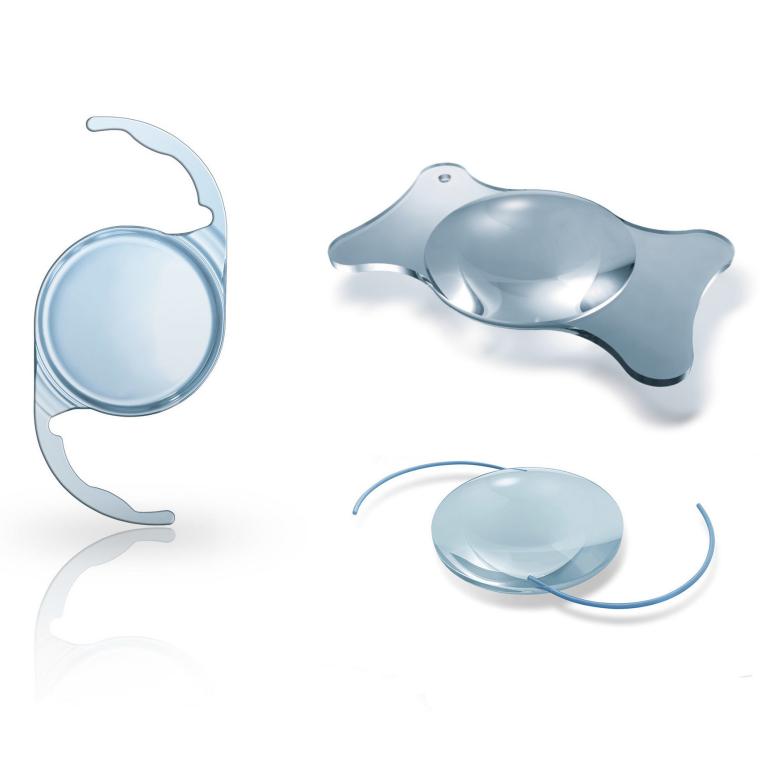 Image: ZEISS Meditec
Monofocal lenses
A monofocal lens provides one principal point of focus. Most patients choose to optimise their vision for distance and use reading glasses for near tasks.
Some patients may choose monovision, where one eye is targeted more towards distance and the other towards near. This can reduce dependence on reading glasses but is not suitable for everyone.
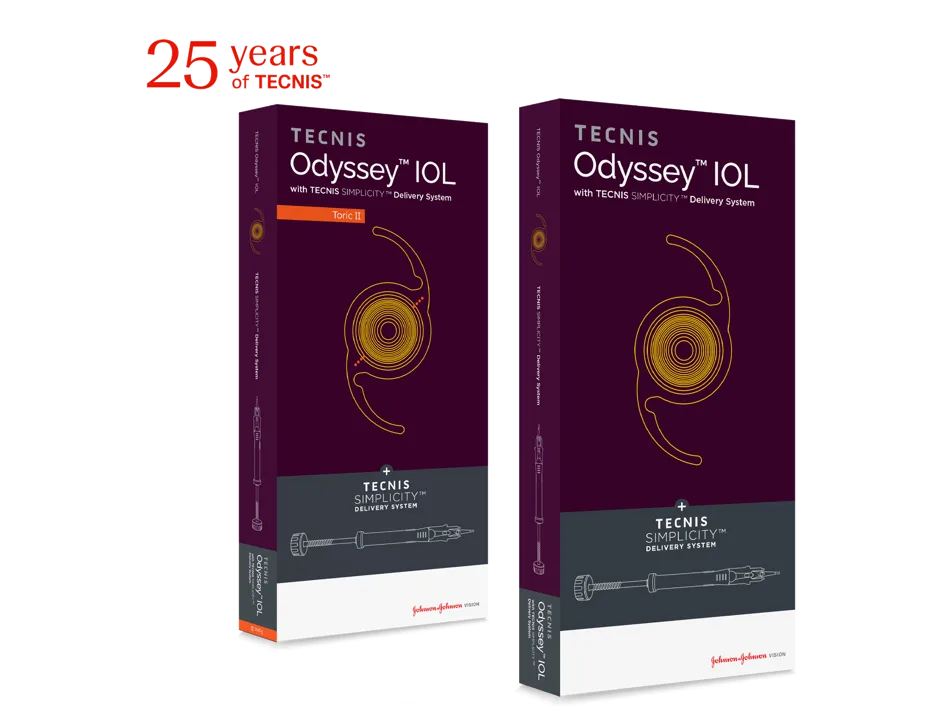 Image: Johnson & Johnson Vision
Multifocal and trifocal lenses
Multifocal and trifocal lenses are designed to provide vision across more than one distance. Trifocal lenses aim to provide distance, intermediate and near vision, and can substantially reduce dependence on spectacles.
The trade-off is optical. Some patients experience halos or glare around lights, particularly at night, and contrast may differ from that of a monofocal lens. Careful patient selection is therefore important.
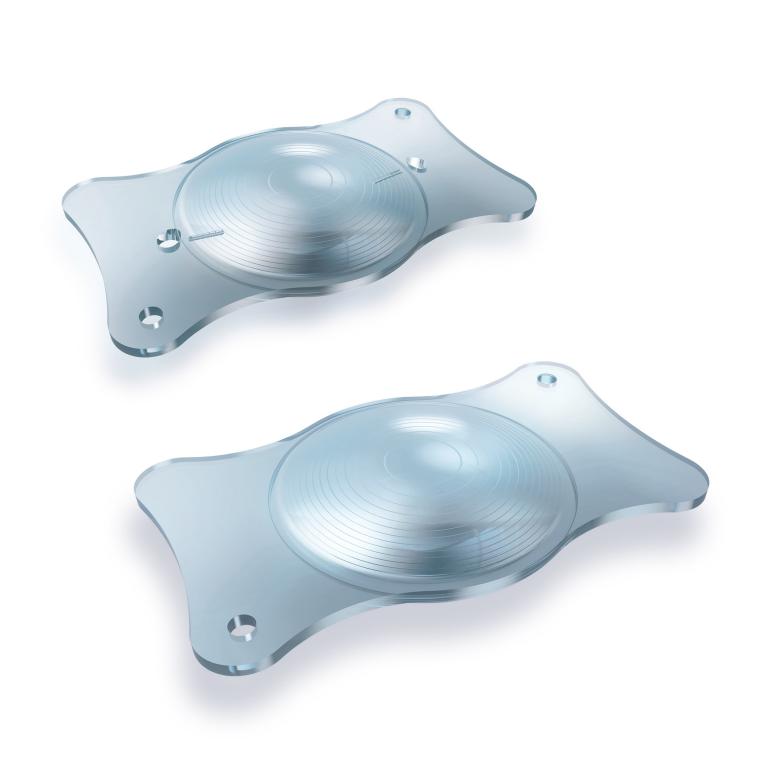 Image: ZEISS Meditec
EDOF (Extended Depth of Focus) lenses
EDOF lenses are designed to provide an extended range of focus, particularly from distance through intermediate vision. They can be particularly useful for activities such as computer work, driving and everyday tasks. Reading glasses may still be needed for small print or prolonged near work.
Compared with multifocal or trifocal lenses, some EDOF designs may produce fewer night-vision symptoms, although the exact visual profile depends on the lens used.
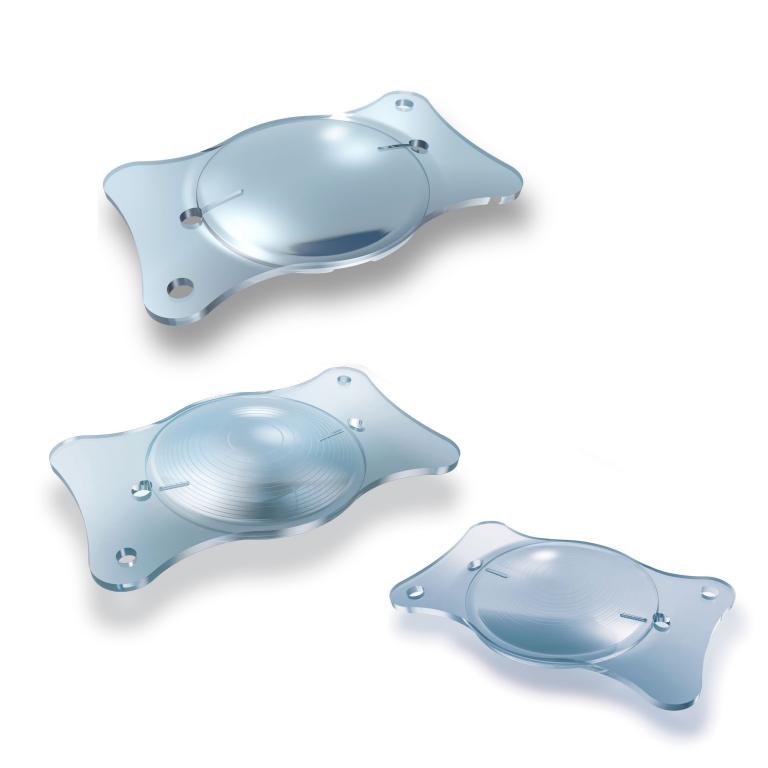 Image: ZEISS Meditec
Toric lenses
Toric lenses are designed to correct corneal astigmatism at the same time as cataract surgery. Toric correction is available with different types of IOL, including monofocal and selected presbyopia-correcting lenses. If significant astigmatism is left uncorrected, glasses may still be required for the clearest vision.
Which lens is right for me?
Start with your lifestyle rather than the technology.
If night driving is particularly important, optical quality and night-vision symptoms need to be considered carefully. If reducing reading-glasses dependence is your main priority, a multifocal or trifocal lens may be worth considering. If computer and intermediate vision dominate your day, an EDOF lens may be attractive. If you have significant astigmatism, toric correction may be incorporated into the lens choice.
Most importantly, some eye conditions make certain lenses less suitable. At Advanced Eye Clinic & Surgery, your surgeon will therefore consider your eye measurements, corneal and retinal health, visual priorities, occupation, hobbies and tolerance for optical trade-offs before recommending an IOL.
Can Cataract Surgery Also Correct My Eyesight?
Because the power of the IOL is calculated specifically for your eye, cataract surgery can often reduce pre-existing short-sightedness or long-sightedness.
Astigmatism can also be reduced using a toric IOL when appropriate, while multifocal, trifocal and EDOF lenses can reduce dependence on glasses across different viewing distances.
However, cataract surgery cannot guarantee complete freedom from spectacles. The achievable result depends on your eye measurements, the IOL selected and the health of the rest of the eye.
Laser vs Conventional Cataract Surgery
In conventional cataract surgery, the surgeon performs the key surgical steps manually before removing the cataract using phacoemulsification.
In femtosecond laser-assisted cataract surgery (FLACS), a laser can perform selected steps, such as creating the opening in the lens capsule and pre-fragmenting the cataract before removal.
For routine cataracts, both conventional phacoemulsification and laser-assisted cataract surgery can achieve excellent visual outcomes. FLACS may offer advantages in selected situations such as very dense cataracts or other considerations, but it is not automatically a better option for every patient.
Your surgeon will recommend the approach most appropriate for your eye rather than simply choosing based on the technology available.
Find out what your eyes need
A cataract assessment maps the health of your eye, measures your implant power and talks you through the lens options that fit your life — before any decision is made.
The Cataract Surgery Procedure, Step by Step
-
Before surgery
Your assessment includes biometry — precise measurements of your eye's length and corneal curvature that determine your lens implant power — together with the lens-selection consultation above. A few things to note before that appointment and the surgery itself:
- Contact lenses: you may be asked to stop wearing contact lenses before biometry, because they can temporarily alter the shape of the cornea. The required period depends on the type of contact lens.
- Previous LASIK, PRK or SMILE: tell your surgeon if you have undergone previous refractive surgery. This affects IOL calculations, and previous treatment records can be helpful if available.
- Medications: bring a complete list of your medications. Do not stop blood thinners or other regular medication unless specifically instructed by your doctor.
- Fasting: if sedation is planned, you will receive specific fasting instructions before surgery.
- Transport: arrange for someone to take you home. You should not drive immediately after the procedure.
-
During surgery
Many patients are understandably anxious about what they will experience.
Most surgery is performed under sedation. An experienced anaesthetist will put you to sleep so that you are comfortable, and you may or may not remember the process afterwards. Sometimes only local anaesthesia is used — in this case you are awake but comfortable, with a combination of numbing drops and a small injection administered to remove any sensation.
The operation takes 15–30 minutes, although more complex cases may take longer.
-
After surgery
After the procedure, you will spend a short period recovering before returning home.
You will be prescribed eye drops to control inflammation and reduce the risk of infection. An eye shield may be used, particularly when sleeping, to prevent accidental rubbing. Your surgeon will give you specific postoperative instructions based on your eye and the procedure performed.
Cataract Surgery Recovery
First 24 hours
Vision is often noticeably better within a day, though some blur, grittiness and light sensitivity are normal while the eye settles. Your first review is the day after surgery — it's quick, and it's how we confirm healing has started properly.
First week
Use the drops exactly as scheduled — they prevent infection and control inflammation while the eye heals. Avoid rubbing the eye, keep soap and water out of it when showering, and skip swimming, heavy lifting and eye makeup.
Driving: not until your surgeon confirms your vision meets the legal standard, typically at the day-one or one-week review. Most patients on desk work return within the week; hospitalisation leave commonly runs one to four weeks, depending on your job.
First month and beyond
Vision stabilises progressively over the first few weeks; expect your new glasses prescription (if needed) around three to six weeks, once measurements are stable.
If both eyes need surgery, the second eye is done on a separate day, typically one to two weeks after the first, so the first eye can carry you while the second heals. Standard reviews: day 1, week 1, month 1. Swimming and contact sports resume after about a month.
What Results Can I Expect?
Setting expectations clearly matters more than reassurance, so here is what the evidence and clinical experience support:
- Surgery removes the cataract successfully in most patients. The cloudiness caused by the cataract itself is eliminated.
- Glasses may still be required depending on the lens selected and any residual prescription. Monofocal patients typically need reading glasses; even with premium lenses, some situations may call for spectacles.
- Pre-existing eye disease can limit the final result. If the retina, optic nerve or cornea is affected by conditions such as macular degeneration, glaucoma or diabetic retinopathy, removing the cataract improves what those structures receive — but cannot repair them. Your surgeon will assess this before surgery and discuss what improvement is realistic for your eye.
- Premium lenses reduce spectacle dependence but cannot guarantee spectacle independence. Multifocal and EDOF lenses substantially reduce reliance on glasses for most patients; complete freedom from glasses in all situations cannot be promised.
- A small residual refractive error can occur. If vision is not as sharp as expected once the eye has settled, options include glasses, lens adjustment or a later corrective procedure, depending on the cause.
If your vision remains blurry after surgery, the first step is an assessment — the cause may be as simple as a residual prescription or early PCO (see below), both of which are readily managed.
Risks and Complications
Cataract surgery is among the safest operations in medicine, but "safe" should come with numbers, not just reassurance.
Common and temporary
Mild grittiness, dryness, light sensitivity and fluctuating vision in the early weeks. These symptoms are usually temporary and can often be managed with the prescribed drops.
Rare and serious
Infection inside the eye occurs in roughly 1 in 1,000 cases; retinal detachment, significant swelling, bleeding, and lens-implant displacement are similarly uncommon.
Early assessment and treatment can reduce the risk of lasting damage, although some complications may affect the final visual outcome — which is why the follow-up schedule exists.
The one most patients ask about: can a cataract come back?
Months or years after surgery, some 20–30% of patients notice their vision gradually clouding again. This is not the cataract returning — a removed cataract cannot grow back.
The most common cause is posterior capsule opacification (PCO): the thin membrane holding your implant becomes hazy. The fix is a painless, five-minute laser procedure (YAG capsulotomy) done in the clinic, and it rarely needs repeating.
When to call us immediately: increasing pain, spreading redness, discharge, or a sudden drop in vision after surgery. These are the red flags that shouldn't wait for your next scheduled review.
Cataract Surgery Cost in Singapore: MediSave and Insurance
Cataract surgery costs in Singapore range widely — from under $2,000 per eye subsidised in public hospitals to $5,000–$10,000+ per eye at private clinics, depending on the lens type, surgical technique and surgeon.
Your exact fee depends on your lens choice and whether laser assistance is recommended; we provide a full, itemised quotation at your assessment, before you commit to anything.
How much MediSave covers
Unlike LASIK, cataract surgery is a medical procedure — and it is MediSave-claimable. The claimable amount is approximately $3,210 per eye under current MOH withdrawal limits.
Two details worth knowing:
- You can use a family member's MediSave. Claims can be drawn from your own account or an immediate family member's — spouse, children, or parents. For adult children helping to pay for a parent's surgery, this significantly reduces the cash outlay.
- MediShield Life applies too. Separate from MediSave, the national MediShield Life scheme provides basic coverage for cataract surgery, with claim limits depending on the setting and procedure.
Integrated Shield plans and out-of-pocket costs
If you hold an Integrated Shield plan (from insurers such as AIA, Great Eastern, Prudential, NTUC Income and others), a substantial portion of private cataract surgery is typically covered, depending on your plan tier and rider.
Between MediSave, MediShield Life or your Shield plan, and any rider, many privately insured patients pay only a modest amount out of pocket. Bring your policy details to your consultation and we'll walk through your actual numbers before you commit to anything.
Why Choose Advanced Eye Clinic for Cataract Surgery
Cataract surgery may be common, but every eye is different.
At Advanced Eye Clinic & Surgery, cataract assessment extends beyond simply confirming that a cataract is present. We consider the health of the cornea, retina and optic nerve, calculate the appropriate IOL power, and discuss how different lens choices fit your visual priorities.
Our cataract surgeons also bring different areas of subspecialist expertise, allowing patients with more complex eyes to be assessed and managed within the same practice. Our four ophthalmologists each have more than two decades of experience, and between them have performed over 100,000 eye surgeries. The depth behind that number matters.
Our specialists train other ophthalmologists in surgical techniques, speak regularly at international conferences, and maintain academic and research appointments at Duke-NUS Medical School and the Singapore Eye Research Institute. This keeps our practice closely connected to developments in cataract surgery, retinal care, imaging and emerging treatments.
Every patient undergoes a comprehensive eye examination supported by modern ocular imaging and diagnostic equipment. The aim is not simply to confirm that a cataract is present, but to understand the eye as a whole before surgery is planned. We assess the cornea, retina, optic nerve, eye measurements, existing eye disease and other relevant health factors, together with your lifestyle, occupation and visual priorities. These findings influence the choice of intraocular lens, surgical approach and the visual outcome that can realistically be expected.
Cataract surgery is not a one-size-fits-all procedure. Two patients with apparently similar cataracts may require very different surgical plans because of differences in their eye health, prescription, astigmatism, previous surgery, retinal condition or visual needs. Careful assessment and planning before surgery are therefore fundamental to achieving the best possible outcome for each individual eye. The quality of the outcome begins with the quality of the assessment and planning before it.
A brief, low-cost screening consultation alone cannot adequately address the measurements, examination, counselling and decision-making required for high-quality cataract surgery. A proper cataract assessment should give you enough time to understand the health of your eyes, the lens options available, the likely benefits and limitations of surgery, and the reasoning behind the treatment recommended to you.
For the patient's family: you are very welcome to attend the consultation. Bring your questions. Cataract surgery often involves decisions about vision, lifestyle and lens choice, and those decisions are easier when everyone involved has heard the same explanation.
Frequently Asked Questions
Am I awake during cataract surgery?
Most of the time, no. We work closely with an experienced anaesthetist to ensure a comfortable, smooth process — most patients don't even feel that surgery was done. In some cases, if sedation is deemed unsafe, you may be awake but comfortable: numbing drops remove sensation, light sedation is available if you're anxious, and you won't see the surgery happening. Most patients describe pressure and bright light, nothing more.
Does cataract surgery hurt?
The anaesthesia is intended to prevent pain, and most patients have no recollection of their procedure at all. Expect mild grittiness for a few days afterwards, usually managed with drops.
How long until I can drive?
Once your surgeon confirms your vision meets the legal driving standard — typically at the day-one or one-week review, depending on how quickly your eye settles.
Can both eyes be done together?
The two eyes are operated on separate days, usually one to two weeks apart, so one eye always carries you while the other heals. Same-day bilateral surgery is reserved for rare, specific circumstances.
Can a cataract come back?
No — once removed, a cataract cannot regrow. What can happen, in roughly 20–30% of patients, is clouding of the membrane behind the implant (PCO), treated with a five-minute laser procedure.
Can cataract surgery correct my short-sightedness or astigmatism?
Yes. The implant's power is calculated for your eye, so long-standing myopia or hyperopia can be corrected during the same operation, and a toric lens corrects astigmatism. Astigmatism is measured as part of standard biometry — mention your prescription history at your assessment.
Is laser cataract surgery better than conventional?
For most routine cataracts, laser-assisted and conventional surgery generally produce comparable visual outcomes. The laser may be considered for selected eyes based on the surgeon's assessment, and your surgeon will explain which approach suits your eyes and why.
Can I have cataract surgery if I've had LASIK before?
Yes. Previous LASIK, PRK or SMILE doesn't prevent cataract surgery, but it changes how your lens power is calculated — bring your old laser treatment records to your assessment.
How much does cataract surgery cost?
Roughly $5,000–$10,000 per eye at private clinics in Singapore, and under $2,000 subsidised at public hospitals. Your exact fee depends on your lens choice and surgical approach — we provide a full quotation at your assessment.
How much does MediSave cover for cataract surgery?
Approximately $3,210 per eye under current MOH limits, claimable from your own MediSave or an immediate family member's. MediShield Life and Integrated Shield plans provide further coverage on top.
Can I use a family member's MediSave to pay for my surgery?
Yes. MediSave claims for cataract surgery can be drawn from your own account or an immediate family member's — spouse, children, or parents. This is a common arrangement when adult children are helping to fund a parent's surgery.
What if my vision is still blurry after surgery?
Some blur in the early weeks is normal while the eye settles. If vision remains unclear after that, the cause is usually identifiable at review — commonly a residual prescription (managed with glasses or, in selected cases, a corrective procedure) or PCO (treated with a short laser procedure). Pre-existing eye conditions can also limit the final result, which your surgeon will have discussed before surgery.
Will glaucoma, diabetes or retinal disease affect my result?
They can. Cataract surgery clears the cloudy lens, but if the retina, optic nerve or cornea is already affected by disease, the final vision depends on the health of those structures. Your pre-surgery assessment checks for these conditions so your surgeon can give you a realistic expectation for your eye — and at AECS, co-existing retinal disease can be managed by our retinal specialists within the same practice.
Our Cataract Doctors
All four of our ophthalmologists perform cataract surgery, each bringing more than two decades of experience and a distinct area of depth.

Dr Chua Wei Han
Founder, Medical Director and Senior Consultant Ophthalmologist
BMedSc (Hons), BMed (Hons), MMed(Ophth), FRCSEd (Ophth), FAMS
Dr Chua sub-specialises in cataract and refractive surgery, and was the first surgeon to perform laser-assisted cataract surgery at Mount Elizabeth Hospital.
He graduated as the top medical student with honours from the University of Newcastle, Australia, is a Fellow of the Royal College of Surgeons, Edinburgh, and the Academy of Medicine, Singapore, and has presented at more than 100 international scientific meetings, with over 25 peer-reviewed papers, including work on cataract lens implants.

Dr Mohamad Rosman
Senior Consultant Ophthalmologist
MBBS (NUS, Valedictorian), MMed(Ophth), FRCS (Edinburgh), FAMS
Former Head of the Refractive Surgery Department at the Singapore National Eye Centre, where he also served as a senior consultant in the Cataract Surgery Department.
Dr Rosman has performed over 20,000 cataract, LASIK and other eye surgeries since 2007, performs both conventional phacoemulsification and femtosecond laser-assisted cataract surgery (FLACS), and trained many of Singapore's eye surgeons in cataract and femtosecond cataract surgery as SNEC's key cataract and refractive surgery trainer. He was a Clinical Associate Professor at Duke-NUS and was Valedictorian of his NUS medical school class.

Dr Lee Shu Yen
Senior Consultant Ophthalmologist
MBBS (NUS), MMed(Ophth), MRCSEd, FRCSEd (Ophth), FAMS
Former Head of the Surgical Retina Department at the Singapore National Eye Centre. Dr Lee is an experienced cataract surgeon comfortable with the full range of intraocular lens corrections, with particular expertise in complex cataract cases — including scleral-fixated lenses and the management of post-cataract-surgery complications.
She has practised ophthalmology in Singapore for over 24 years, served as Clinical Associate Professor at Duke-NUS, and has published 119 scientific papers internationally.

Dr Kelvin Teo
Senior Consultant Ophthalmologist, Medical Retina and Cataract Specialist
MBBS (London), PhD (Sydney), FAMS · Adjunct Associate Professor, Duke-NUS Medical School
Dr Teo has particular expertise in cataract surgery for patients with co-existing retinal conditions, including age-related macular degeneration, diabetic eye disease and retinal vascular disease.
He trained at the Singapore National Eye Centre and subsequently completed subspecialty retinal fellowships in Singapore and at Sydney Eye Hospital. He remains actively involved in clinical research through the Singapore Eye Research Institute.
Speak to a cataract specialist
The same ophthalmologist who assesses your eyes plans your surgery and reviews you afterwards. Family members are welcome. Start with an assessment at Mount Elizabeth Medical Centre.